
 16661 Ventura Boulevard, Ste. 208, Encino, CA 91436
 818-646-0194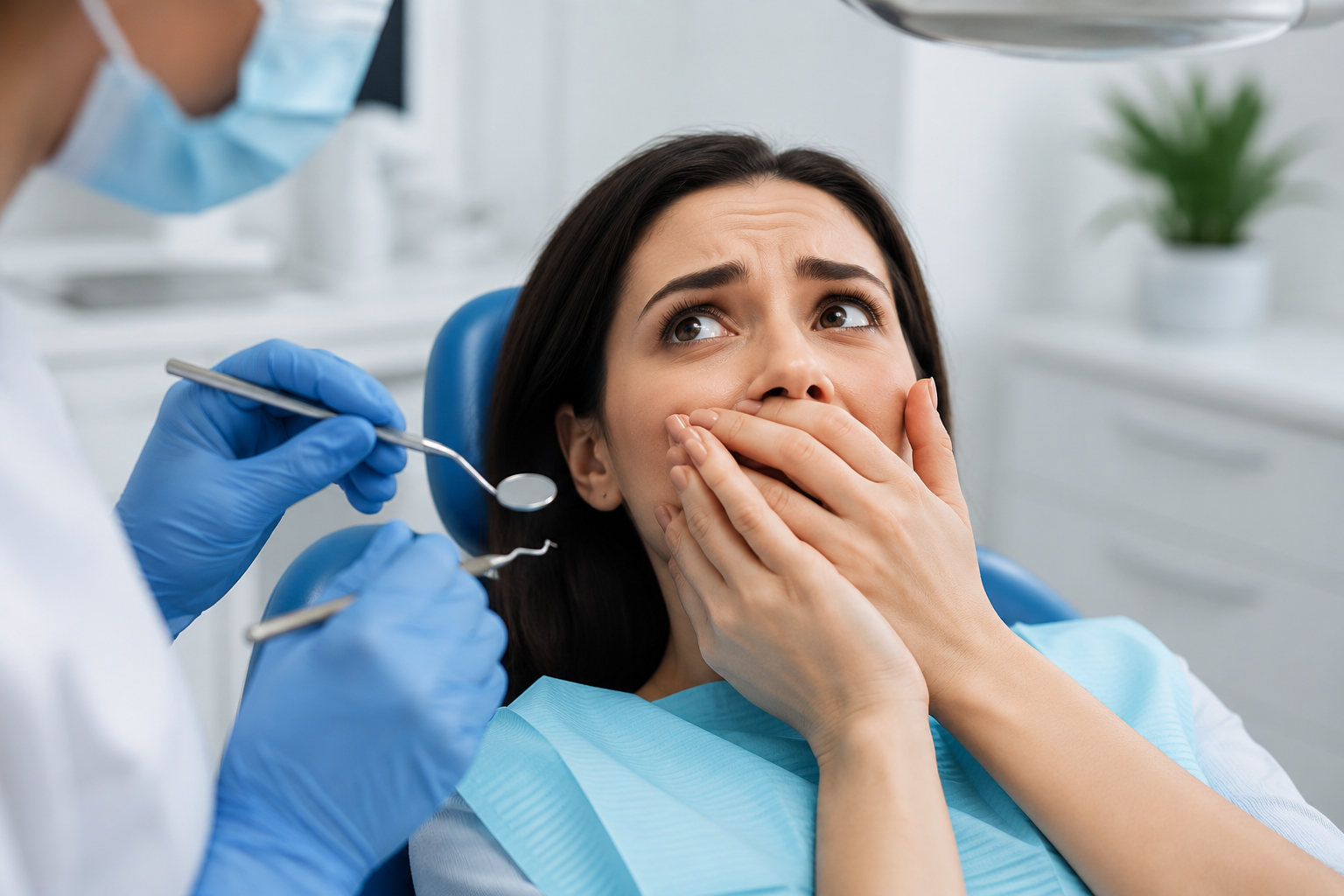
Severe gagging during dental treatment, particularly during crown procedures, can cause significant distress and impede clinical care. The gag reflex is a normal protective response to oral stimuli, yet it can complicate restorative work and increase patient anxiety. This article examines common causes of an exaggerated gag reflex, evidence‑based management techniques, and the approaches used by dental practices in Encino, including Easy Family Dental, to promote patient comfort. A clear understanding of mechanisms and mitigation strategies helps patients approach care with greater confidence.
This article explains physiological triggers, the role of dental impressions, and practical techniques to control gagging during crown procedures. It also reviews sedation options, individualized care strategies, and preparatory recommendations for appointments. Finally, common patient questions concerning gag reflex management and dental crowns in Encino are addressed.
What Causes a Severe Gag Reflex During Dental Crown Procedures?
The gag reflex protects the airway from choking and aspiration. In dental settings it may be provoked by oral stimuli, materials, or procedural techniques. Identifying specific triggers allows clinicians and patients to plan targeted interventions that reduce discomfort.
Understanding the Gag Reflex and Its Triggers in Dentistry
The gag reflex is an involuntary contraction triggered by stimulation of the posterior oral cavity. In dentistry, instruments, impression trays, and visual cues can elicit this response. Anxiety or prior adverse experiences may increase sensitivity. Recognizing these triggers enables clinicians to adjust technique and communication to minimise gagging.
Effective management of this involuntary defense mechanism requires a systematic approach that incorporates multiple interventions.
Comprehensive Gag Reflex Interventions in Dental Care
Gag reflex is an involuntary defense mechanism that protects the pharynx and throat from foreign objects. Gagging is a common problem encountered during dental treatment, which can make therapeutic procedures distressing and, in some cases, difficult or impossible to perform. Various interventions can be used to control the gag reflex, for example: anti‑nausea medications, sedatives, local and general anesthetics, herbal remedies, behavioral therapies, acupressure, acupuncture, and prosthetic devices.
Management of gag reflex for patients undergoing dental treatment, E Prashanti, 2015
How Dental Impressions and Crown Preparations Affect Gag Reflex
Dental impressions frequently provoke gagging. The material’s consistency, tray size, and operative technique influence patient tolerance. Traditional bulkier impression methods are more likely to trigger the reflex than newer, lower‑bulk alternatives. Selecting suitable materials and techniques is essential to improve comfort and cooperation.
Which Techniques Help Control Gag Reflex During Dental Crowns?
Multiple strategies can reduce the gag reflex during crown procedures. These include behavioural approaches, appropriate choice of materials, and procedural modifications that prioritise patient comfort.
Behavioral Strategies to Reduce Gag Reflex Sensitivity
Patients may employ behavioural techniques to decrease reflex sensitivity. Common approaches include:
- Breathing Techniques: Focusing on slow, deep breaths can help calm the body and reduce the gag reflex.
- Distraction Methods: Engaging in conversation or listening to music during the procedure can divert attention away from the sensations that trigger gagging.
- Positioning: Adjusting the patient’s position in the dental chair can sometimes alleviate the reflex.
Use of Comfortable Dental Impression Materials and Methods
Material selection substantially affects patient comfort. Modern impression materials are more flexible and lower in bulk, which reduces the likelihood of triggering gagging. Techniques such as using smaller trays or sectional impressions can further improve tolerance and limit gag reflex activation.
Ongoing research evaluates both pharmacologic and non‑pharmacologic methods to manage gagging effectively during dental care.
New Methods for Gag Reflex Management in Dentistry
Management of the gag reflex is a challenging aspect of many dental treatments. Various studies have evaluated different pharmacologic and non‑pharmacologic techniques to control gagging. Purpose: The aim of this study is to review the available evidence on methods proposed for managing the gag reflex.
An overview about new methods in management of gag reflex during dental treatment: a systematic review, M Mehdizadeh, 2023
What Sedation Options Are Available for Nervous Patients in Encino?
For patients with marked anxiety or an exaggerated gag reflex, sedation dentistry can be an effective option. Sedation facilitates relaxation and improves the tolerability of necessary dental procedures.
Overview of Sedation Dentistry for Gag Reflex Management
Sedation dentistry employs medication to reduce anxiety during treatment. It is particularly useful when the gag reflex limits clinical access. Sedation ranges from minimal—where the patient is relaxed but awake—to moderate, where memory of the procedure may be reduced.
Comparing Sedation Levels: From Minimal to Moderate Sedation
| Sedation Level | Description | Patient Experience |
|---|---|---|
| Minimal Sedation | Patient is awake but relaxed | Mild anxiety relief |
| Moderate Sedation | Patient may not remember the procedure | Significant anxiety relief |
| Deep Sedation | Patient is on the edge of consciousness | Complete relaxation |
Familiarity with these sedation levels helps patients and clinicians select an appropriate plan that balances comfort and safety for crown procedures.
How Does Easy Family Dental Ensure Patient Comfort During Crowns?
Easy Family Dental prioritizes patient comfort during crown treatments. The practice implements multiple strategies to maintain a calm, safe clinical environment and to accommodate individual needs.
Personalized Care Approaches for Patients with Dental Anxiety
Easy Family Dental recognises that each patient presents unique concerns, particularly those with dental anxiety. The team promotes clear communication so patients can express preferences and prior experiences. Treatment plans are customised to address individual anxieties and clinical requirements.
Advanced Technology and Techniques to Minimize Discomfort
Advanced technology is used to reduce procedural discomfort. Digital impressions and laser dentistry minimise reliance on bulkier traditional methods that may trigger gagging. These tools improve procedural accuracy and enhance the overall patient experience.
How Should Patients Prepare and Schedule Appointments for Dental Crowns?
Appropriate preparation supports a successful crown procedure. Patients can follow several practical steps to be ready for their appointment.
Steps to Prepare for Your Dental Crown Procedure
- Pre-Appointment Recommendations: Patients should follow any specific instructions provided by their dentist, such as avoiding certain foods or medications.
- Oral Hygiene Practices: Maintaining good oral hygiene leading up to the appointment can help reduce the risk of complications during the procedure.
- Arriving Early: Arriving early allows patients to relax and discuss any concerns with their dental team.
Scheduling and Communication Tips to Address Gag Reflex Concerns
Clear communication with the dental office is essential for managing gag reflex concerns. Inform your dentist about sensitivity and any prior experiences that may affect comfort. This information enables the dental team to adapt techniques and schedule appropriate measures to improve tolerability.
What Are Common Patient Questions About Gag Reflex and Dental Crowns?
Patients commonly raise questions about the gag reflex and its management during dental care. Providing clear, practical answers can reduce anxiety and improve cooperation during treatment.
How Can I Stop My Gag Reflex at the Dentist? FAQs Answered
Effective strategies include practising relaxation and breathing techniques, discussing concerns and procedural options with your dentist, and considering sedation when appropriate. Knowing that this issue affects many patients can also provide reassurance.
Are There Risks Associated with Sedation for Gag Reflex Control?
Sedation is generally safe when prescribed following a comprehensive assessment. Discuss your medical history and current medications with the dental team to determine suitability. A thorough consultation ensures the chosen sedation approach aligns with your health profile and treatment needs.
If you are experiencing a severe gag reflex and require dental crowns, select a dental practice that understands and addresses these concerns.
For more information or to schedule a consultation, you can contact us at Easy Family Dental in Encino. Our team is committed to personalised care and to maintaining your comfort throughout the treatment process.
Frequently Asked Questions
What should I do if I feel anxious about my dental crown appointment?
If you feel anxious about a crown appointment, communicate this to your dentist. The team can outline options to improve comfort, such as sedation or relaxation strategies. Practical measures—like controlled breathing or bringing a support person—may also help. Many patients experience similar concerns.
Can I eat or drink before my dental crown procedure?
Pre‑procedure eating depends on the planned sedation. For sedated patients, clinicians commonly advise fasting for several hours before the appointment. If no sedation is scheduled, a light meal is usually acceptable. Always follow the specific instructions provided by your dentist.
How long does the dental crown procedure take?
Procedure duration varies with case complexity and the type of crown. Typically, a single appointment may last one to two hours. If multiple visits are necessary, the overall treatment time will extend accordingly. Your dentist will provide a tailored estimate based on your individual treatment plan.
What can I expect during the recovery period after getting a dental crown?
After crown placement, mild sensitivity or discomfort in the treated area is common and usually subsides within a few days. Avoid very hot or cold foods initially. Your dentist will provide specific aftercare instructions, including recommendations for pain management and follow‑up visits. Maintain good oral hygiene during recovery.
Are there alternatives to dental crowns for restoring damaged teeth?
Alternatives depend on the extent of tooth damage. Options include dental fillings, inlays, onlays, or veneers. Each option has specific indications and benefits. Consulting with your dentist will determine the most appropriate restorative approach for your situation.
How can I find a dentist who specializes in managing gag reflex issues?
Look for practices that prioritise patient comfort and anxiety management. Review online testimonials and request recommendations from trusted contacts. Contact dental offices directly to enquire about their experience and specific techniques for managing gag reflex concerns.
Conclusion
Effective management of a severe gag reflex is essential to ensure patient comfort and successful restorative outcomes. Strategies such as sedation, behavioural modifications, and use of modern, lower‑bulk materials can substantially reduce anxiety and procedural difficulty. Understanding available options enables patients to make informed decisions about their care. For personalised assistance and to review treatment options, contact Easy Family Dental.