
 16661 Ventura Boulevard, Ste. 208, Encino, CA 91436
 818-646-0194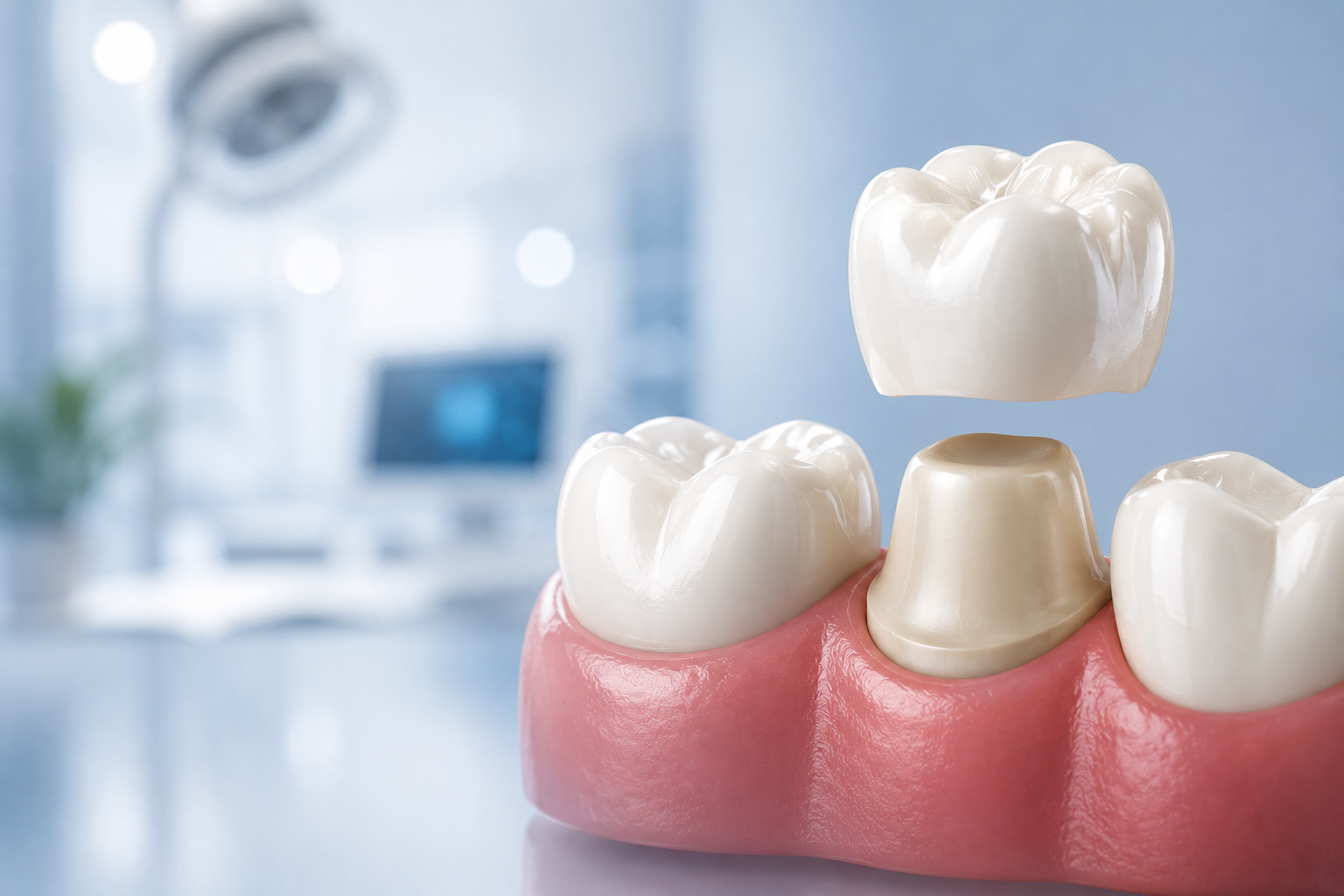
Protecting a tooth after root canal therapy is essential to preserve its function and longevity. A dental crown provides structural support and reduces the risk of further damage. This article explains the role of crowns after endodontic treatment, the types available, typical recovery timelines, costs, and how to schedule an appointment with specialists in Encino. Patients who understand these factors can make informed decisions about their care and recovery.
Why Is a Dental Crown Essential After Root Canal Therapy?
Following root canal therapy, a crown restores the tooth’s structure and function, both of which may be compromised during treatment. Removal of infected tissue can leave the tooth prone to fracture and recurrent decay. A crown acts as a protective barrier to preserve integrity and occlusal function. It also helps maintain adjacent-tooth alignment, reducing the risk of subsequent dental complications.
How Do Dental Crowns Prevent Tooth Fracture Post Root Canal?
Crowns reduce fracture risk by encasing the remaining tooth structure in a durable restoration. Post-endodontic teeth are often more brittle; the crown absorbs and distributes occlusal forces, lowering the likelihood of cracks. This support permits normal chewing and biting with a reduced risk of structural failure.
What Are the Benefits of Dental Crowns Following Root Canal Treatment?
Key benefits include:
- Improved Aesthetics: Crowns can be made from materials that closely match the natural color of your teeth, enhancing your smile.
- Enhanced Durability: Crowns are designed to last many years, providing a long-term solution for tooth restoration.
- Protection Against Further Damage: By covering the tooth, crowns shield it from bacteria and decay, promoting better oral health.
What Types of Dental Crowns Are Available at Easy Family Dental in Encino?
At Easy Family Dental, we provide several crown options to address differing clinical needs and aesthetic priorities. Each material carries specific advantages and clinical considerations to ensure appropriate, evidence-informed care.
How Do Different Crown Materials Compare for Root Canal Protection?
Crown materials differ in durability, appearance, and cost. The table below compares common options to assist in clinical decision-making and patient selection.
| Crown Material | Durability | Aesthetics | Cost Range |
|---|---|---|---|
| Ceramic Crowns | Moderate | Excellent | $1,200 – $2,500 |
| Porcelain-Fused to Metal Crowns | High | Good | $1,200 – $3,000 |
| Full Metal Crowns | Very High | Fair | $1,000 – $2,500 |
The table demonstrates how material properties influence crown selection based on individual priorities and clinical requirements.
For additional context on restorative approaches after endodontic therapy, review recent research on restoration strategies and crown selection.
Restorative Strategies & Crown Types Post-Endodontic Treatment
Objective: This paper aims to describe the approaches to reinstating posterior teeth following endodontic therapy, including structural and biomechanical shifts, biological considerations, and various restoration modalities. Methods: A comprehensive analysis synthesizes recent scientific literature and clinical practice. The review examines direct restorations, onlays, full crowns, and emerging options such as endo-crowns. Recommendations address material properties and application techniques to enhance the longevity and function of restored teeth.
Restorative Strategies for Posterior Teeth Following Endodontic Treatment, RA Awang, 2024
Which Crown Types Are Best Suited for Long-Term Tooth Restoration?
For long-term restoration, porcelain-fused-to-metal crowns often provide a balance of strength and aesthetics. Full metal crowns deliver superior strength for posterior teeth where durability is critical, though their appearance is less natural. Ceramic crowns are preferred for anterior teeth when aesthetics are the primary concern, but they may offer lower strength than metal-based options.
What Is the Root Canal Recovery Timeline and How Do Crowns Aid Healing?
Recovery timelines vary, but most patients can expect to resume normal activities within a few days. A crown stabilizes the tooth and supports function while protecting it from further injury.
What Are the Key Care Tips During Root Canal Recovery?
During recovery, follow these care instructions:
- Avoid Hard Foods: Stick to soft foods to prevent putting unnecessary pressure on the treated tooth.
- Maintain Oral Hygiene: Continue brushing and flossing, but be gentle around the treated area.
- Follow Up with Your Dentist: Attend all follow-up appointments to ensure proper healing.
How Does Crown Placement Support Tooth Strength During Healing?
Crown placement provides immediate protection and stabilization, enabling the tooth to tolerate normal function while reducing the risk of fracture or reinfection. The restoration shields the remaining structure and facilitates effective healing.
How Much Do Dental Crowns Cost in Encino and What Insurance Options Are Available?
The cost of dental crowns in Encino typically ranges from $1,200 to $3,000, depending on the material selected and the complexity of the case. Understanding these costs is important for treatment planning.
What Insurance Plans Cover Dental Crowns After Root Canal Therapy?
Many dental insurance policies cover a portion of crown costs when the restoration is deemed medically necessary following a root canal. Verify your benefits with your insurer to determine specific coverage and anticipated out-of-pocket expenses.
Are There Financing or Payment Plans for Dental Crown Procedures?
Easy Family Dental offers financing options and membership plans to help manage crown expenses. For example, the Individual Plan is $349 per year, and the Family Plan, covering two adults and two children, is $699 per year. These plans are intended to improve access to care and affordability.
How Can You Schedule an Appointment With Encino Dental Crown Specialists at Easy Family Dental?
Scheduling an appointment with Easy Family Dental’s crown specialists is straightforward. Patients may call or visit the office to arrange a consultation.
What Are the Available Contact Methods for Appointment Scheduling?
To schedule, contact Easy Family Dental at (818) 646-0194. Phone and online booking options are available for your convenience.
What Should Patients Expect During Their First Crown Consultation?
At the initial consultation, the dentist will examine the tooth, review treatment options, and answer questions. The visit ensures patients understand the recommended procedure and feel informed before proceeding.
Frequently Asked Questions
What is the typical lifespan of a dental crown after a root canal?
Crown lifespan depends on the material and oral hygiene. Typically, crowns last between 5 and 15 years; some higher-quality materials may endure longer. Regular dental examinations and consistent oral hygiene—brushing and flossing—extend the service life of a crown. Follow your dentist’s maintenance advice to maximize longevity.
Can I eat normally after getting a dental crown?
After crown placement most patients can resume normal eating, though it is advisable to avoid hard or sticky foods for several days to allow the restoration to settle and to minimise discomfort. If you experience sensitivity or persistent pain while eating, consult your dentist for guidance; a temporary diet may be recommended.
How do I know if my dental crown needs to be replaced?
Indicators that a crown may require replacement include ongoing pain, visible wear or damage, looseness, changes in bite, or discoloration. Regular dental check-ups allow your dentist to monitor the restoration and recommend timely replacement to maintain oral health.
What should I do if my dental crown falls off?
If your dental crown becomes dislodged, contact your dentist promptly. Preserve the crown if possible and avoid chewing on the affected side. Rinse the crown and the tooth with warm water if necessary. Your dentist will assess whether re-cementation is feasible or if a new crown is required. Prompt attention reduces the risk of further complications.
Are there any risks associated with dental crowns?
While crowns are generally safe and effective, potential risks include temperature sensitivity, allergic reactions to restorative materials, recurrent decay at the crown margin if fit is inadequate, and complications related to insufficient tooth preparation. Regular dental assessments help mitigate these risks by ensuring proper fit and monitoring the health of the crowned tooth.
How can I maintain my dental crown?
Maintain your dental crown through good oral hygiene: brush twice daily and floss once a day. Avoid hard or sticky foods that can damage the restoration. Attend routine dental examinations to confirm the crown remains secure and functional. Report any discomfort or looseness to your dentist promptly.
Conclusion
A dental crown is essential to protect a tooth after a root canal, preserving function and extending service life. The appropriate crown enhances aesthetics, provides durability, and protects against further damage. By understanding material options and associated benefits, patients can make informed treatment decisions. Schedule a consultation with Easy Family Dental to review the best restoration options for your needs.