
 16661 Ventura Boulevard, Ste. 208, Encino, CA 91436
 818-646-0194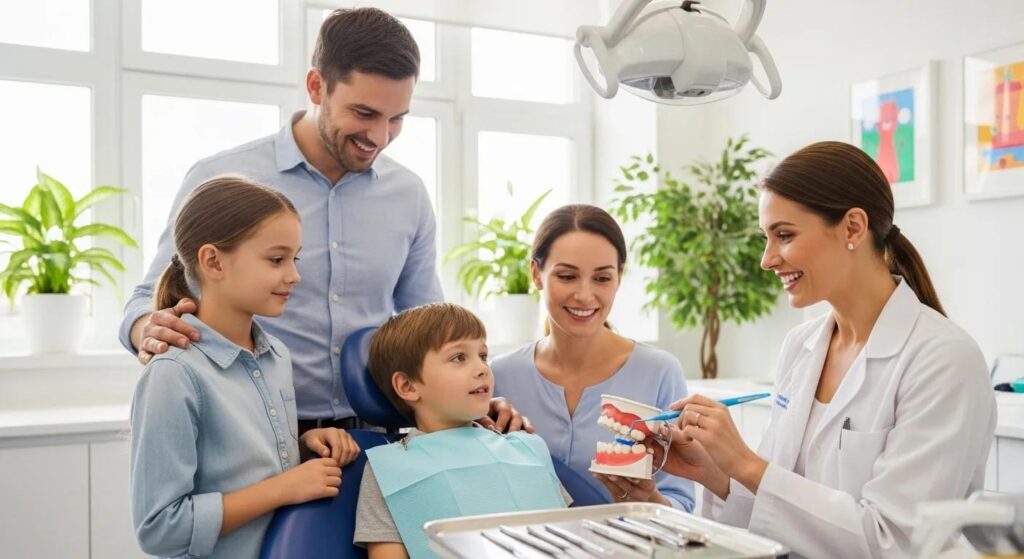
Preventive dental care keeps teeth healthy and helps families avoid bigger problems down the road. This guide explains why routine checkups matter at your Encino dentist and how simple steps can reduce pain, complications, and long-term costs. Many people skip regular visits and end up needing more invasive treatment later. Read on to learn the benefits of preventive care, common treatments, practical oral-hygiene tips, what insurance usually covers, and how to prepare for your next appointment.
What are the main benefits of routine dental checkups in Encino?
Regular dental checkups let us find problems early, so treatment can be quicker, simpler, and less expensive. Consistent visits reduce the risk of cavities and gum disease, protect long-term oral health, and often spare families from costly restorative care later on.
At Easy Family Dental in Encino, we focus on prevention. Booking regular checkups helps keep every family member’s smile healthy and makes dental visits more comfortable for everyone.
How do regular dental cleanings prevent cavities and gum disease?
Dental cleanings remove plaque and hardened tartar that brushing at home can miss. Left in place, these buildups cause tooth decay and inflamed gums. Routine cleanings lower the chance of cavities and stop early gum disease from getting worse.
Cleanings also help prevent gingivitis — the first stage of gum disease — and support overall health. Research has linked poor gum health to other conditions like heart disease, diabetes, and stroke, so keeping gums healthy matters beyond your smile.
Research highlights the connection between oral health and whole-body wellness, showing that gum disease can affect other medical conditions.
Periodontitis & Systemic Health: Preventing Comorbidities
Growing evidence shows periodontitis is associated with a range of other health problems, including cardiovascular disease, type 2 diabetes, rheumatoid arthritis, osteoporosis, Parkinson’s and Alzheimer’s diseases, psoriasis, and respiratory infections. Treating periodontal disease can sometimes improve these conditions, and relationships may be bidirectional—for example, better diabetes control can improve gum health.
Relationship between periodontal disease and systemic health, RI Garcia, 2000
Why is early cavity detection crucial for long-term oral health?
Finding cavities early means we can treat them with simple, conservative care like fillings instead of more invasive options such as root canals or extractions. Early treatment preserves your natural teeth and avoids pain and infection.
Untreated decay can lead to severe discomfort, abscess, and tooth loss. Regular checkups make it far more likely that decay will be caught and fixed before it becomes a major problem.
Which preventive dental treatments are available for families in Encino?
Encino families have access to several preventive treatments that protect teeth and reduce decay. Common options include fluoride applications, dental sealants, and professional cleanings—all aimed at keeping smiles healthy and cavity-free.
What role do fluoride treatments and sealants play in prevention?
Fluoride strengthens enamel, making teeth more resistant to acid and decay — especially helpful for children whose teeth are still developing. Sealants are thin coatings applied to the chewing surfaces of molars to block out food and bacteria in grooves that are hard to clean. Together, these measures give strong protection against cavities.
Clinical studies support the effectiveness of these treatments, particularly for younger patients.
Sealants & Fluoride Varnish for Pediatric Caries Prevention
Most of the increase in dental caries among children over six and adolescents happens on the chewing surfaces of permanent molars. Both dental sealants and fluoride varnishes are commonly used to prevent these cavities. Previous research has shown each intervention can reduce decay compared with no treatment, and reviews have compared their relative benefits.
Pit and fissure sealants versus fluoride varnishes for preventing dental decay in the permanent teeth of children and adolescents, W Kashbour, 2020
How are preventive services tailored for children and adults?
We tailor preventive care to each age group. For children, that means teaching brushing and flossing, building positive habits, and using age-appropriate treatments like fluoride and sealants. For adults, preventive visits include more detailed screenings — for example, checking for gum disease and oral cancer — and personalized plans based on medical history and risk factors.
Customizing care ensures every family member gets the right protection at every stage of life.
How can oral hygiene tips enhance preventive dental care at Easy Family Dental?
Daily habits are the foundation of preventive care. Small, consistent steps at home make professional care more effective and keep problems from developing between visits.
What daily practices support optimal oral health maintenance?
- Brushing Twice Daily: Use fluoride toothpaste and brush for at least two minutes to remove plaque effectively.
- Flossing Daily: Floss reaches between teeth where brushes can’t, removing food and plaque to protect gums.
- Regular Dental Visits: Book checkups and cleanings about every six months so we can catch issues early.
These simple routines protect oral health and create lifelong habits that benefit the whole family.
To schedule your next appointment, please contact us today.
How does family dental care encourage healthy habits for all ages?
Family visits make dental care a shared, positive experience. When children come to the dentist with parents, they often feel calmer and learn that dental visits are normal and helpful. Parents can model good habits and reinforce routines at home.
This team approach builds confidence, reduces anxiety, and helps everyone keep healthier smiles over time.
What insurance and cost considerations affect preventive dental care in Encino?
Knowing how insurance and costs work helps families plan care. Many dental plans cover preventive services, which reduces out-of-pocket expense and makes regular care more accessible.
How does preventive care reduce overall dental treatment costs?
Preventive care is an investment: catching issues early usually means simpler, less expensive treatment. Studies show that dollars spent on prevention often save several times as much in restorative care later.
The financial benefits of preventing dental disease extend beyond individual savings and can lower costs across communities.
Cost-Benefit of Oral Health Promotion Programs
A study examined whether workplace oral-health programs — including dental checkups and hygiene education — were cost-beneficial for employers. The programs covered direct costs for dental staff and materials, and indirect costs for employee time (about 20 minutes per visit). The analysis looked at whether the benefits outweighed these costs.
Cost-benefit analysis of a worksite oral-health promotion program, 2007
Taking a proactive approach benefits individual patients and helps reduce the overall burden of dental disease in the community.
What options exist for patients without dental insurance?
If you don’t have dental insurance, options like payment plans and financing can make preventive care affordable. Many practices — including Easy Family Dental — offer flexible payment arrangements to help families stay on schedule with cleanings and checkups.
Community health programs and local clinics may also provide low-cost or free preventive services, so checking available resources can help you maintain oral health without financial strain.
How do you schedule and prepare for your preventive dental appointment in Encino?
Scheduling and getting ready for a preventive appointment is simple and helps reduce stress. Knowing what to expect makes the visit smoother for both adults and children.
What is the Easy Family Dental appointment scheduling process?
At Easy Family Dental, you can call the office or use our online scheduling to book a visit. Our team works with busy schedules and will help find a time that fits your family’s needs.
What should patients expect during their preventive care visit?
Your preventive visit typically includes a thorough exam, a professional cleaning, and a discussion of any findings. If we see areas that need attention, we’ll explain treatment options and next steps in plain language.
We encourage questions — a collaborative conversation helps you feel confident about your care. By arriving prepared and informed, you’ll get the most from each visit.
If you are interested in improving your smile, cosmetic dentistry might be the right choice for you.
Frequently Asked Questions
What are the signs that I need to visit the dentist more frequently?
Visit sooner than usual if you have ongoing tooth pain, bleeding or swollen gums, or sharp sensitivity to hot and cold. Persistent bad breath, changes in gum color, or trouble chewing are also warning signs. Regular checkups catch problems early, but any of these symptoms deserve prompt attention.
How can I help my child feel more comfortable about visiting the dentist?
Talk about the visit positively and use simple language to explain what will happen. Reading kids’ books about the dentist and role-playing at home can make the experience familiar. Choose a family-friendly practice that welcomes children and supports a calm visit.
Are there any specific dietary recommendations to support dental health?
A balanced diet helps protect teeth. Foods rich in calcium — like dairy, leafy greens, and almonds — strengthen enamel. Crunchy fruits and vegetables such as apples and carrots can clean teeth naturally and stimulate gums. Cut back on sugary snacks and drinks, and drink plenty of water (fluoridated when available) to rinse away food and bacteria.
What should I do if I have dental anxiety before my appointment?
If dental visits make you anxious, tell your dentist ahead of time so we can help. Options include discussing fears, using relaxation techniques, or exploring mild sedation when appropriate. Bringing a friend, listening to calming music, or practicing deep breathing can also ease nerves.
How often should I replace my toothbrush for optimal oral health?
Replace your toothbrush every three to four months, or sooner if the bristles look worn. A frayed brush won’t clean effectively. If you’ve been sick, swapping your brush afterward helps prevent re-infection. Electric toothbrush users should follow the manufacturer’s head-replacement schedule.
What are the benefits of using mouthwash in my oral hygiene routine?
Mouthwash can reduce plaque, help prevent gum disease, and freshen breath. Some rinses contain fluoride to strengthen enamel and lower cavity risk. Choose a mouthwash that matches your needs — antibacterial for gum health or fluoride for cavity prevention — and use it as an addition to, not a replacement for, brushing and flossing.
Conclusion
Preventive dental care at your Encino dentist protects smiles, finds problems early, and can save money over time. By keeping up with routine checkups, cleanings, and good daily habits, families build healthier mouths for life. If you’re ready to take the next step, schedule your appointment with us and keep your family smiling strong.